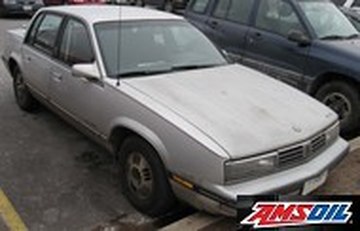
Maintaining Lubrication Standards for the 1982 Oldsmobile CALAIS 5.0L
Proper engine care for a vehicle of this era requires a focus on consistent monitoring and adherence to specific fluid requirements. For an owner of a 1982 Oldsmobile CALAIS equipped with a 5.0L engine, maintaining the lubrication system is a fundamental aspect of long-term mechanical health. Because older engines can exhibit different sealing characteristics than modern counterparts, a proactive approach to inspection and oil selection is highly beneficial.Monitoring Fluid Integrity and Potential Seepage
One of the most effective ways to monitor the health of the 5.0L engine is through regular visual inspections of the engine bay and undercarriage. Over time, various gaskets and seals may undergo changes in elasticity due to heat cycles and age. It is useful to look for signs of fluid seepage or active leaks around the engine block and connection points. When performing these checks, look for:- Dampness or oily residue on the exterior of the engine components.
- Evidence of fluid pooling on the ground beneath where the vehicle is parked.
- Discoloration of dust or grime on various surfaces, which can indicate a slow, long-term seep.
Evaluating Engine Condition Through Oil Observations
The condition of the engine oil itself provides significant insight into the internal environment of the 5.0L engine. Beyond just checking the level, observing the physical characteristics of the lubricant can help an owner understand how the engine is operating. If the oil appears excessively dark or contains visible particulates, it may indicate that the service interval has been exceeded or that there is significant accumulation of deposits within the system. Furthermore, if the oil has a distinct odor or an unusual texture, this should be investigated. Changes in the appearance of the lubricant can sometimes be associated with various internal processes or environmental factors. Maintaining clean and fresh oil is essential for managing heat and reducing friction within the engine components.Prioritizing Maintenance Based on Current Condition
For owners of a 1982 Oldsmobile CALAIS, maintenance decisions are often most effective when they are based on the actual condition of the vehicle rather than just its age. While time is a factor in the degradation of rubber hoses and belts, the specific way a vehicle has been driven and stored plays a massive role in its current state. A practical approach to long-term ownership involves:- Reviewing Service History: If available, look through past repair orders and receipts to establish what has already been addressed. This helps prevent redundant work and identifies patterns of maintenance.
- Establishing a Baseline: If the vehicle's history is unknown, use the first few months of ownership to perform thorough inspections. This allows you to create a "baseline" of the current condition, making it easier to spot new leaks or changes in performance later.
- Addressing Immediate Needs: Prioritize active concerns, such as visible leaks or unusual noises, before moving on to purely preventive tasks.
Managing Aging Components and Systems
As a vehicle from 1982 continues to operate, certain peripheral systems require attention to ensure the engine remains well-supported. While the lubrication system is central, other components play supporting roles in overall engine reliability. If equipped, inspect accessible drive belts for signs of wear such as cracking, glazing, or fraying. Similarly, if the vehicle is equipped with various cooling hoses, check them for excessive softness, hardening, or visible leaks at the connection points. Maintaining these auxiliary systems helps ensure that the engine operates within its intended thermal range, which in turn supports the stability of the engine oil. Additionally, keeping an eye on electrical connections and wiring can prevent intermittent issues. Ensuring that sensors and connectors are clean and free from corrosion is a simple way to maintain the accuracy of any dashboard indicators or monitoring systems present on the vehicle.The Importance of Consistent Lubrication Records
For long-term ownership, keeping a detailed log of all fluid changes, filter replacements, and mechanical repairs is invaluable. For an older 5.0L engine, knowing exactly when the oil was last changed and what type of product was used can assist in troubleshooting if performance changes occur. A well-maintained record serves two purposes: it ensures that you do not miss critical service windows, and it provides a clear history that can be useful if the vehicle is ever evaluated for resale or by a mechanic performing complex repairs. Documentation should include the date of service, the mileage at the time of service, and any specific observations made during the inspection.Practical Guidance for BUYING ENGINE OIL for your 1982 Oldsmobile CALAIS 5.0L
When it is time to replenish the lubrication in your engine, the most important step is to ensure the product matches the specific requirements of your application. Because different engines and operating conditions require different formulations, you should not rely on general assumptions about what an older vehicle might need. To select the correct product:- Match Application Information: Always refer to the vehicle-specific oil viscosity and application information provided on this webpage. This is the most reliable way to ensure you are using a lubricant that meets the needs of your 5.0L engine.
- Consider Formulations: Depending on your specific needs, you may choose between conventional, synthetic blend, or full synthetic oils. Some high-mileage oil formulations also contain additives intended for use in aging engines, including seal-conditioning additives.
- Verify Quality: Before purchasing, check the product labeling to ensure it meets current API certification standards. This ensures the oil provides the necessary level of protection and deposit control.
- Avoid Guesswork: Do not attempt to select a viscosity based on climate or engine age alone; always prioritize the specific data listed in your vehicle's application information.